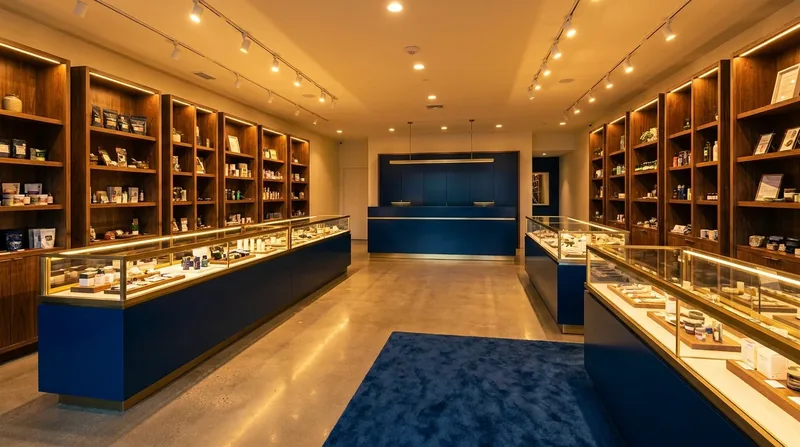
How to Open a Dispensary in Massachusetts
How to Open a Dispensary in Massachusetts: Complete Licensing Guide
Opening a cannabis dispensary in Massachusetts requires navigating a complex regulatory framework overseen by the Cannabis Control Commission (CCC). Unlike general business formation, a marijuana retail license demands detailed compliance planning, security protocols, and community engagement. This guide walks through the actual steps, costs, and timelines involved.
Materials and Requirements You'll Need to Prepare
Before filing an application, gather these essential components:
- Proof of local approval: A host community agreement or letter of support from the city or town where your dispensary will operate. This is non-negotiable; the CCC will not process an application without it.
- Property documentation: Lease agreement, deed, or letter of intent for your retail location. The space must comply with CCC zoning rules, including distance requirements from schools and other sensitive locations.
- Financial documentation: Bank statements, proof of funding sources, and a detailed business plan showing how you'll fund operations. You must demonstrate you have real capital, not just a business idea.
- Security plan: A comprehensive written security protocol covering surveillance cameras, alarm systems, inventory tracking, and employee access controls. This is a substantial document.
- Standard compliance documents: Proof of identity, business license (if operating as an LLC or corporation), and articles of organization filed with the Massachusetts Secretary of the Commonwealth.
- Social equity documentation (if applicable): If you're applying under Massachusetts's social equity program, documentation proving you meet eligibility criteria: prior cannabis conviction, participation in the illicit market, or residence in a disproportionately impacted area.
Step-by-Step Dispensary Licensing Process
Step 1: Secure a Host Community Agreement (2-4 Months)
Contact your city or town's local licensing authority. The municipality must vote to approve a host community agreement with you or pass a local ordinance allowing cannabis retail. This is the longest step because it depends on local political processes, not state deadlines. Many cities have their own cannabis review boards or require public hearings. You'll typically present your business plan, security measures, and community benefits to local officials. Without this approval, you cannot proceed to the state application.
Step 2: Form Your Business Entity (1-2 Weeks)
File Articles of Organization with the Massachusetts Secretary of the Commonwealth to create an LLC or corporation. The filing fee is $520 for an LLC or $265 for a corporation. Use the online Corporations Online Filing System at https://corp.sec.state.ma.us/corpweb/loginsystem/login_form.aspx. Processing times are typically 5 to 10 business days for standard mail submissions. You may expedite for an additional fee. Identify all owners and financial stakeholders; Massachusetts requires disclosure of anyone owning 20% or more of the business.
Step 3: Prepare Your Detailed Application Package (4-6 Weeks)
The CCC application is extensive. You'll need to complete:
- Retail license application form (available at https://www.mass.gov/cannabis)
- Organizational structure chart showing all ownership tiers
- Detailed floor plan of your retail space with security camera placement
- Operating procedures manual addressing inventory management, employee training, customer interactions, and compliance audits
- Community impact statement addressing local concerns and benefits your dispensary will provide
- Proof of financial capacity (bank statements, business plan with detailed financial projections)
- Social equity documentation if applicable
The application packet typically runs 50 to 100+ pages. Many applicants hire cannabis compliance consultants to ensure completeness; expect to budget $3,000 to $8,000 for this service if you go that route.
Step 4: Submit Your Application to the CCC (Completed Once)
Submit your completed application through the Cannabis Licensing Portal at the Cannabis Control Commission website. You will pay a non-refundable application fee (confirm the current amount on the CCC website; historical fees have ranged $5,000 to $7,500 for retail licenses). Include proof of your host community agreement. Keep copies of everything you submit.
Step 5: CCC Review and Completeness Check (2-4 Weeks)
The CCC will perform an initial review to ensure your application is complete. If information is missing, they'll request it in writing. You'll have a specific deadline to provide clarifications. Incomplete responses or missed deadlines can result in denial or being moved to the back of the queue.
Step 6: Background Investigation and Site Inspection (4-8 Weeks)
The CCC conducts background checks on all owners, financial stakeholders, and key personnel. They will also inspect your proposed retail location to verify it meets zoning requirements and security standards. This inspection is pass/fail; if the space doesn't meet standards, you must find a new location and reapply.
Step 7: Provisional or Final License Approval (2-6 Weeks After Inspection)
If your application is approved, the CCC issues either a provisional license or a final retail license. A provisional license means you've been approved in principle but must complete final buildout and security installations before opening. A final license allows you to begin operations immediately (after purchasing product from a licensed wholesaler). The CCC will provide conditions you must meet, such as final testing of your security system.
Step 8: Build Out and Compliance (Ongoing Until Opening)
Install all security systems, signage, inventory management software, and point-of-sale systems. Schedule a final compliance inspection with the CCC. They will verify that your security cameras, alarm systems, and access controls are in place and functional. Only after passing this final inspection may you purchase cannabis products from a licensed wholesaler and open to the public.
Key Costs and Timeline Summary
| Item | Typical Cost | Timeline |
|---|---|---|
| Business entity formation (LLC/corp) | $265 to $520 | 1 to 2 weeks |
| Local host community agreement process | $0 to $5,000 (depending on local requirements) | 2 to 4 months |
| CCC application fee | $5,000 to $7,500 (confirm current amount) | Paid at submission |
| Compliance consulting (optional but common) | $3,000 to $8,000 | Concurrent with preparation |
| Retail buildout (security, POS, fixtures) | $50,000 to $150,000 | 2 to 4 months after provisional approval |
| Initial inventory purchase | $10,000 to $50,000 | First month of operation |
| Total first-year range | $68,000 to $220,000+ | 6 to 12 months from start to opening |
The entire process from securing local approval to opening typically takes 6 to 12 months, depending on local timelines and application completeness.
Tips to Strengthen Your Application
- Start with local relationships early. Before formally approaching your city or town, attend city council meetings and cannabis commission meetings. Understand local concerns and design your proposal to address them directly.
- Hire a local attorney and compliance consultant. Cannabis licensing is highly technical. A professional who has worked with your city before understands local politics and the CCC's interpretation of rules. This investment pays for itself in approval odds and speed.
- Over-specify your security plan. The CCC denies applications for inadequate security far more often than for any other single reason. Use high-end cameras with night vision, redundant alarm systems, and detailed employee protocols. Document everything.
- Demonstrate community benefit. Articulate how your dispensary will provide jobs, tax revenue, and community reinvestment. If you're applying under the social equity program, connect your experience in the industry to your commitment to the community.
- Choose your location strategically. Some municipalities make approval easy; others are hostile to cannabis retail. Map out cities with existing dispensary licenses and favorable zoning before investing time in a location.
- Ensure all funding sources are documented and legal. The CCC will scrutinize your financial documentation. If you're receiving investor capital, have signed agreements and bank records. Do not use undocumented sources of funds.
Common Mistakes That Lead to Denial
- Applying without a host community agreement. The CCC will not process your application. Complete this step first, no matter how long it takes.
- Underestimating security requirements. Vague security plans or proposed systems that don't meet modern standards will be rejected. The CCC expects professional-grade monitoring.
- Incomplete financial documentation. If your funding sources are unclear or you lack evidence of real capital, your application will be denied. Generic business plans without detailed financial projections don't work.
- Choosing the wrong business structure. Ensure all equity holders and decision-makers are properly documented. Hidden ownership stakes will be discovered in background checks and result in denial.
- Overlooking local zoning restrictions. Some cities zone out all cannabis retail or require buffers from schools, parks, or other businesses. Verify local rules before signing a lease.
- Missing application deadlines. If the CCC requests clarifications or additional information, respond by the stated deadline. Missing deadlines can move you to the back of the application queue or result in denial.
Expected Results and Timeline Realities
If your application is complete, your location meets zoning requirements, your local community supports you, and your security plan is robust, you may expect approval within 4 to 8 weeks of CCC review (after the initial completeness check). The entire timeline from initial concept to opening typically spans 6 to 12 months, with 2 to 4 months spent securing local approval and the remainder spent on CCC review and buildout.
If your local municipality is slow to act, if your location has zoning issues, or if your initial application is incomplete, the process can stretch to 18 months or longer. Plan accordingly and build contingency time into your business plan.
Important Disclaimers and Next Steps
This article provides informational guidance on the Massachusetts cannabis licensing process and is not legal or tax advice. Cannabis licensing rules are complex and subject to change. The specific fees, application forms, and timelines mentioned here are based on current CCC guidance but should be verified directly with the Cannabis Control Commission before filing.
For current application forms, fee schedules, and procedural updates, visit the official Cannabis Control Commission website at https://www.mass.gov/cannabis. For legal advice tailored to your situation, consult a Massachusetts attorney licensed to practice cannabis law. For tax and financial structuring questions, work with a CPA experienced in cannabis businesses.
The marijuana industry in Massachusetts is competitive and heavily regulated. Success requires careful planning, legal compliance, local buy-in, and realistic financial expectations. Take the time to do each step thoroughly.
Keep exploring: related Massachusetts guides
- Adult Foster Care in Massachusetts
- How to Open a Sober House in Massachusetts
- How to Start an Assisted Living Facility in Massachusetts
- How to Start a Daycare Business in Massachusetts
- How to Start an LLC in Massachusetts
- Massachusetts Business License
- How Much Does It Cost to Start a Business in Massachusetts
- All Massachusetts business types
- Every Massachusetts guide in one place