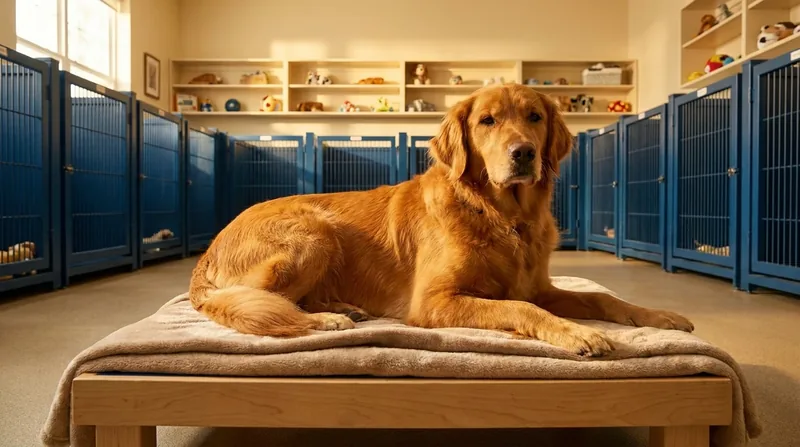
How to Start a Pet Grooming Business in Massachusetts
How to Start a Pet Grooming Business in Massachusetts
Massachusetts is an excellent place to launch a pet grooming business. Unlike some professions, the state imposes no statewide licensing requirement for pet groomers, which means you can get moving quickly. You will, however, need to handle business formation, local permits, equipment setup, and insurance. This guide walks you through each step.
What You'll Need to Get Started
Equipment and Supplies
Professional pet grooming requires specialized tools and a suitable workspace. Budget for:
- Grooming table: Non-slip, height-adjustable, typically $200 to $600
- Professional clippers and shears: Industrial-grade clippers, straight shears, curved shears, thinning shears; expect $300 to $800 for a quality starter set
- Bathing and drying equipment: Commercial-grade tub or walk-in shower, high-velocity dryer or cage dryer; $1,000 to $4,000 depending on setup
- Brushes, combs, and nail tools: Various slicker brushes, undercoat rakes, nail grinders; $150 to $400
- Professional shampoo, conditioner, and products: Pet-safe, quality brands; initial stock $200 to $500
- Safety and sanitation supplies: Disinfectant, towels, aprons, hand sanitizer; ongoing costs $50 to $150 per month
- First aid kit and grooming supplies: Styptic powder, ear cleaner, undercoat treatment; $100 to $300
Total estimated equipment investment: $2,500 to $7,000 for a basic startup, depending on whether you rent a space with existing facilities or build out your own salon.
Business Licenses and Permits
You will need:
- A business structure (LLC or DBA)
- Local business permit (filed with your city or town clerk)
- Sales tax registration (if selling products like specialty shampoos)
- Employer Identification Number (EIN) from the IRS, if forming an LLC or hiring employees
Insurance
While not legally mandated by Massachusetts, professional liability insurance is essential. Pet grooming carries inherent risk: a pet could be injured, or you could be sued for alleged negligence. Commercial liability insurance typically costs $400 to $800 per year. Some landlords require it as a lease condition.
Step-by-Step Launch Process
Step 1: Verify Your Local Requirements (1 to 3 days)
Since Massachusetts does not regulate pet grooming at the state level, your city or town may impose local rules. Contact your local city or town clerk's office and ask about:
- Business license or permit requirements for a service business
- Health department inspection requirements (especially if you're operating from a leased or owned location)
- Zoning compliance (confirm your location is zoned for service businesses or pet-related services)
- Any specific local animal care regulations
Fees vary widely by municipality. Boston, for example, charges $65 for a business certificate (plus $35 more if you are a non-resident). Your town may charge $25 to $100. Call ahead and ask what forms you need and the current fee.
Step 2: Choose Your Business Structure (1 day)
You have two main options:
Option A: LLC (Limited Liability Company)
An LLC separates your personal assets from business liability. Massachusetts filing fee is $520. You must file a Certificate of Organization with the Massachusetts Secretary of the Commonwealth. You will also pay a $500 annual report fee each year the LLC remains active. The name must include "LLC" or "limited liability company."
An LLC typically takes 2 to 5 business days to process if filed by mail or walk-in; fax and electronic filings carry a $20 expedite fee and are handled first.
Option B: Doing Business As (DBA)
A DBA (also called a business certificate) lets you operate under a name other than your legal name. You file with your local city or town clerk, not the state. Fees vary by municipality but typically run $25 to $100. A DBA does not provide liability protection like an LLC does, and it's a simpler, less formal structure.
Recommendation: For a pet grooming business, an LLC is the better choice. It provides liability protection (critical if a pet is injured) and projects professionalism. The $520 filing fee and $500 annual cost are reasonable insurance against personal asset risk.
Step 3: Reserve or Register Your Business Name (1 day)
Before filing your LLC, you may want to reserve your name with the Massachusetts Secretary of the Commonwealth. A name reservation costs $30 and lasts 60 days (renewable once for another 60 days). File at the Corporations Online Filing System.
Your name must not be the same as or deceptively similar to any existing corporation, LLC, or limited partnership already registered in Massachusetts. Check the business name search database first (it's free).
Step 4: File Your LLC or DBA (1 to 5 business days)
For an LLC: Complete the Certificate of Organization form and submit it to the Massachusetts Secretary of the Commonwealth. You can file online at the Corporations Online Filing System, by fax, or by mail. Electronic filing is handled within one business day if you pay the $20 expedite fee; standard mail processing takes 2 to 5 business days.
For a DBA: File the business certificate with your local city or town clerk. Processing is typically same-day or within 2 to 3 business days.
Resident Agent requirement: Every Massachusetts LLC must name a resident agent, an individual resident of Massachusetts or a domestic/foreign corporation authorized to do business here. The resident agent must have a Massachusetts office where records are kept. If you are a Massachusetts resident, you can serve as your own resident agent.
Step 5: Obtain an EIN and Register for Sales Tax (1 to 3 days)
Even as a single-member LLC, you may need an Employer Identification Number (EIN) from the IRS. You need an EIN if you plan to hire employees or if your LLC elects to be taxed as a corporation. Apply free at irs.gov. You can get an EIN same-day if you apply online.
If you sell products (specialty shampoos, grooming products), you must register for sales tax with the Massachusetts Department of Revenue. Register at the Massachusetts Tax Connection portal. Massachusetts sales tax is 6.25%. Registration is free; you only pay tax on sales.
Step 6: Secure Your Location (1 to 8 weeks)
You have three options:
- Home-based grooming: Check your local zoning laws and homeowner/rental agreement. Some municipalities restrict business operations from residential addresses. Cost: $0 to $100 per month for added insurance or utilities.
- Shared salon space: Rent a suite in an existing pet grooming salon or shared workspace. Cost: $200 to $800 per month depending on location and size.
- Dedicated salon: Lease or purchase your own space. Costs vary dramatically ($1,000 to $5,000+ per month), but you control the layout and brand experience. This is typically a longer-term commitment.
If you are renting, ensure the lease permits pet grooming operations. Some commercial landlords restrict the use. Get that in writing before signing.
Step 7: Get Local Business Permit and Health Clearance (1 to 4 weeks)
After filing your LLC or DBA, apply for your local business permit at your city or town clerk's office. Bring proof of your business formation (LLC certificate or DBA receipt) and complete the permit application.
If your location requires health department inspection, schedule that as soon as you have signed a lease. The health department will inspect your facilities for sanitation, drainage, water quality, and animal safety. This can take 1 to 3 weeks to schedule and complete. Inspections are generally straightforward for a grooming salon if you meet basic cleanliness standards.
Step 8: Obtain Insurance and Finalize Setup (1 week)
Get a quote for commercial liability insurance. You will need to provide your business name, location, and expected annual revenue. Most policies are issued within 3 to 5 business days. Some policies also cover injury to animals or damage to customer property.
Order your supplies, set up your workspace, and test all equipment before accepting your first client.
Step 9: Market and Launch (Ongoing)
Create a simple website or social media presence. Build a Google Business Profile so customers can find you, read reviews, and book appointments. Offer an opening promotion to attract first clients. Word of mouth from satisfied pet owners becomes your best marketing tool.
Expected Results and Business Outlook
If you follow these steps, you can launch a pet grooming business in Massachusetts within 6 to 12 weeks from start to first client. The timeline depends on how quickly you secure your location and complete local permits.
Revenue potential varies. Typical grooming services in Massachusetts range from $40 to $100+ per dog, depending on breed size, coat complexity, and location. Many groomers serve 3 to 6 dogs per day, which translates to $120 to $600 in gross daily revenue. Your net profit depends on product costs, rent, payroll, insurance, and other overhead.
The pet grooming industry is stable and demand is consistent. Pet owners prioritize their pets' health and appearance, so grooming services are recession-resistant.
Tips to Avoid Common Mistakes
- Don't skip the local permit step. Operating without a required local business permit can result in fines or forced closure. Always confirm with your city or town clerk first.
- Don't choose a DBA if liability protection matters. A DBA offers no legal separation between you and your business. An LLC costs $520 and is worth the peace of mind.
- Don't underestimate equipment costs. Professional grooming tools and a safe workspace are not places to cut corners. Cheap clippers harm animal fur and damage your reputation.
- Don't operate without liability insurance. One serious incident can bankrupt an uninsured business. The annual cost of $400 to $800 is a business essential.
- Don't ignore zoning or lease restrictions. Confirm in writing that your location permits pet grooming. Some landlords prohibit it due to noise, odor, or liability concerns.
- Don't delay health and safety compliance. Local inspections exist to protect animals and public health. Meet those standards immediately.
- Don't confuse state and local requirements. Massachusetts has no state licensing for pet groomers, but your town may have local rules. Always verify locally.
Critical Disclaimers and Next Steps
This is informational content, not legal or tax advice. Pet grooming regulations, zoning laws, and business structure choices are complex and vary by municipality. Before you file any documents or commit to a location, consult a Massachusetts attorney and a CPA. The cost of a one-hour consultation ($150 to $300) is far less than the cost of fixing mistakes later.
Verify current local requirements. Contact your city or town clerk and local health department directly. Requirements change, and your specific location may have unique rules.
Recommended professionals to consult:
- A Massachusetts business attorney (for LLC formation and lease review)
- A CPA or tax professional (for tax structure and ongoing bookkeeping)
- An insurance broker (for liability and property coverage)
- Your local city or town clerk (for permits and zoning)
Helpful Massachusetts resources:
- Massachusetts Secretary of the Commonwealth, Corporations Division, for LLC filing
- Massachusetts Department of Revenue, for sales tax and business tax information
- Massachusetts Small Business Development Center Network, free consulting for startups
- U.S. Small Business Administration, Massachusetts District, federal small business resources
With proper planning and attention to these steps, you can launch a successful pet grooming business in Massachusetts quickly and legally.
Keep exploring: related Massachusetts guides
- How to Start a Nail Salon Business in Massachusetts
- How to Open a Gym in Massachusetts
- How to Start a Hair Salon Business in Massachusetts
- How to Open a Tattoo Shop in Massachusetts
- How to Start an LLC in Massachusetts
- Massachusetts Business License
- How Much Does It Cost to Start a Business in Massachusetts
- All Massachusetts business types
- Every Massachusetts guide in one place