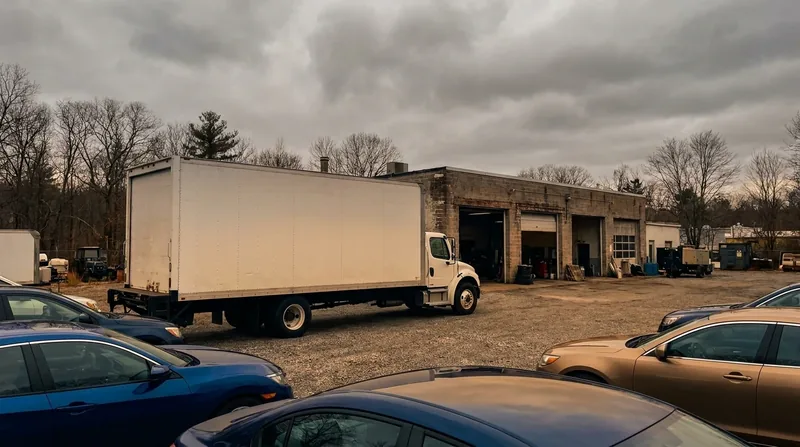
How to Start a Used Car Dealership in Massachusetts
How to Start a Used Car Dealership in Massachusetts
Starting a used car dealership in Massachusetts requires navigating state dealer licensing, business formation, bonding requirements, and compliance with motor vehicle regulations. This guide walks you through the process from legal structure to opening day, with the exact steps Massachusetts requires.
Understand Massachusetts Dealer License Types
Massachusetts classifies car dealers by license type. The most common for used car operations is a Class 2 dealer license, which authorizes buying and selling used vehicles. Before you file anything else, you must understand which license class matches your business plan.
License classes in Massachusetts depend on the number of vehicles you plan to sell annually and whether you handle new or used inventory. A class 2 dealer license Massachusetts typically covers dealers selling used vehicles. You may also encounter Class 1 (new and used) and other specialized classes. The specific requirements, fees, and restrictions for each class change periodically, so verify current standards directly with the Massachusetts Registry of Motor Vehicles (RMV) before proceeding.
Action: Contact the RMV at (617) 351-4500 or visit their official site to confirm current dealer license classifications and eligibility requirements for your planned dealership model.
Step 1: Choose Your Business Structure
You must form a legal business entity before applying for a used car dealer license in Massachusetts. The two most common structures for dealerships are an LLC (Limited Liability Company) or a corporation. Each has tax, liability, and operational tradeoffs.
Form an LLC
An LLC is popular for dealerships because it separates personal assets from business liability and offers simpler taxation. To form an LLC in Massachusetts:
- File a Certificate of Organization with the Massachusetts Secretary of the Commonwealth, Corporations Division
- Pay the $520 filing fee (online, fax, or mail)
- Choose a name that includes "LLC," "L.L.C.," "limited liability company," or "limited company"
- Name must not match or be deceptively similar to any existing Massachusetts corporation, partnership, or LLC without written consent
- Appoint a resident agent (an individual resident of Massachusetts or a Massachusetts corporation) who will accept legal service on behalf of your dealership
- Maintain an office in Massachusetts where required records are kept
Online filing carries a $20 expedite fee and is processed ahead of mail filings. Processing time varies, but electronic submissions are handled during business hours (8:45 a.m. to 4:00 p.m., Monday through Friday). You can file online at the Corporations Online Filing System.
Form a Corporation
A corporation offers formal governance structure and may be preferable if you have multiple owners. The Massachusetts Articles of Organization filing fee is $265, with annual reports due within two and a half months after your fiscal year ends ($100 online with $10 expedite, or $125 by mail).
For either structure, you must file your formation documents before applying for your dealer license.
Step 2: Register Your Business Name and File for a DBA if Needed
If you operate under a name different from your LLC or corporation's official name, you must file a business certificate (doing business as, or DBA) with the clerk of each city or town where you maintain an office. In Massachusetts, this is not a state-level filing.
For example, if your LLC is named "ABC Motors LLC" but you operate as "Quality Used Cars," file the DBA locally. Filing fees vary by municipality. Boston charges $65 (or $100 for a non-resident), and the certificate is valid for four years. Renew every four years.
Where to file: Contact the clerk's office in the city or town where your dealership will be located. A quick internet search for "[City Name] business certificate" or "[City Name] clerk" will direct you to the right office.
Step 3: Obtain Your Massachusetts Dealer License
This is the critical step specific to auto dealers. How to get a car dealer license in Massachusetts involves an application to the Registry of Motor Vehicles (RMV). The exact requirements, application forms, fees, and waiting period vary and are set by Massachusetts law.
A typical dealer license application requires:
- Proof of your business formation documents (LLC Certificate or corporate Articles)
- DBA registration (if applicable)
- Physical address of your dealership location (must be an actual licensed location, not a home or mail drop)
- Proof of bonding (see Step 4)
- Completed dealer license application form
- Proof of insurance (liability and garage liability coverage)
- Owner identification and background information
- Compliance with local zoning laws
Critical: Contact the RMV directly to request the current dealer license application, fee schedule, and all required supporting documentation. Regulations and fees change, and the RMV is the authoritative source. Phone: (617) 351-4500. You may also be able to download current forms from the RMV website.
Step 4: Secure Dealer Bonding
Massachusetts requires used car dealers to carry a surety bond. The bond protects customers in case the dealer fails to transfer title, mishandles payments, or commits fraud. The exact bond amount depends on your dealer license class and is set by state law.
Contact a surety bond provider (insurance agencies or bonding companies can help) to request a dealer surety bond for Massachusetts. You will need to:
- Provide your business formation documents
- Specify the bond amount required for your license class
- Pay the bond premium (typically 1 to 5 percent of the bond amount annually)
- Provide proof of bond to the RMV with your license application
The bond is not a one-time cost; you renew it annually as long as you operate the dealership. Do not skip this step. The RMV will not issue your license without proof of bonding.
Step 5: Register for State Taxes and Obtain an EIN
All Massachusetts businesses must register for state taxes and obtain a federal Employer Identification Number (EIN).
Get a Federal EIN
Apply online at www.irs.gov/ein or by mailing Form SS-4 to the IRS. The EIN is free and takes just a few minutes online. You will need this number for all business bank accounts, tax returns, and employment purposes.
Register for Massachusetts Sales and Use Tax
You must register for Massachusetts sales and use tax. Dealers typically must collect sales tax on vehicle sales. Register online at the Massachusetts Department of Revenue's online system. The state sales tax rate is 6.25 percent. You will receive a sales tax permit after registration.
Corporate or Personal Income Tax
If you form an LLC taxed as a corporation, you owe corporate excise tax of 8.0 percent of net income taxable in Massachusetts, plus $2.60 per $1,000 of tangible property or net worth, with a minimum of $456. If your LLC is treated as a pass-through entity, you and your members pay the individual income tax rate (currently 5.00 percent, plus a 4 percent surtax on income above $1,000,000).
Register with the Massachusetts Department of Revenue to determine your filing and payment obligations based on your entity type.
Step 6: Verify Local Zoning and Permits
Your dealership location must comply with local zoning laws. Some municipalities restrict commercial vehicle lots to specific zones. Before signing a lease or buying property, check with the local planning or zoning board.
You may also need:
- A local business permit or license (fees vary by city/town)
- Zoning variance or special permit if your location does not fall in an auto dealer zoning district
- Sign permit for any outdoor signage
- Environmental permits if your location has fuel pumps or repair facilities
Visit your city or town's planning and zoning office to confirm all local requirements before you commit to a location.
Step 7: Secure Insurance
Dealer liability insurance and garage liability coverage are required for your dealer license. These policies protect you if a customer or third party is injured or property is damaged related to your business.
Contact insurance providers that specialize in auto dealer coverage. They will help you determine the coverage limits required by Massachusetts law. Typical coverage includes:
- Dealer liability (public liability)
- Garage keepers liability
- Workers compensation (if you have employees)
- Inventory coverage for vehicles on your lot
Budget for $1,500 to $3,000 or more annually, depending on your specific coverage and the insurer.
Step 8: Set Up Your Dealership Operations
Before opening, establish the operational backbone of your business:
- Business bank account: Open a separate account in your LLC or corporate name using your EIN
- Vehicle sourcing: Establish relationships with auction houses, private sellers, or wholesalers
- Inventory management system: Track vehicle purchases, condition reports, and sales
- Compliance processes: Create systems for title transfer, odometer documentation, and disclosure compliance
- Disclosures: Prepare required buyer disclosures for used vehicles in Massachusetts (e.g., condition of vehicle, known defects, warranties offered)
- Point-of-sale records: Document all transactions for sales tax and regulatory purposes
Common Mistakes to Avoid
Dealers often run into problems by:
- Skipping the bonding step: RMV will not issue a license without proof of bonding. Secure it early in the application process
- Operating without a proper location: Home-based dealerships violate Massachusetts regulations. You need a licensed physical location
- Ignoring zoning restrictions: Check local zoning before you sign a lease. Moving locations later is costly
- Incomplete disclosures: Massachusetts requires specific used-vehicle disclosures. Failing to provide them can result in fines or license suspension
- Tax registration delays: Register for sales tax before you sell your first vehicle. Operating without a permit can result in penalties
- Outdated license class assumptions: Dealer license classes and restrictions change. Confirm your eligibility every time you file
Timeline and Costs
Here is a rough timeline and cost estimate for starting a used car dealership in Massachusetts:
| Task | Timeline | Cost |
|---|---|---|
| Form LLC or corporation | 1 to 2 weeks (expedited processing available) | $520 (LLC with expedite fee) or $265 to $285 (corporation) |
| File DBA (if needed) | 1 to 3 days | $65 to $100+ depending on municipality |
| Secure surety bond | 1 to 5 business days | Varies; typically 1 to 5 percent of bond amount annually |
| Apply for dealer license | 2 to 8 weeks (verify with RMV for current standard) | Fees set by RMV; verify current amount |
| Register for EIN and state taxes | 1 to 3 weeks | Free (EIN); no fee for tax registration |
| Secure insurance | 1 to 2 weeks | $1,500 to $3,000+ per year |
| Obtain local permits | 2 to 4 weeks depending on municipality | $50 to $500+ depending on municipality |
Total pre-opening costs typically range from $2,500 to $5,000+, not including your initial vehicle inventory, facility lease, and working capital. These figures are estimates; actual costs vary based on your location, business model, and the specific dealer license class you apply for.
Expected Results
If you follow these steps and comply with all Massachusetts regulations, you can expect to:
- Receive your dealer license and legally operate a used car dealership
- Collect sales tax on all vehicle sales and remit it to the state
- Build customer trust through transparent disclosures and dealer compliance
- Scale your inventory as your business grows, subject to your license class limits
The timeline from initial planning to opening typically takes 2 to 4 months, depending on how quickly you secure funding, find a location, and complete RMV processing. Some dealers complete the process in 6 to 8 weeks; others take longer if local permitting is complex.
Important Disclaimer
This article is informational and is not legal or tax advice. Massachusetts dealer licensing, bonding requirements, and motor vehicle sales regulations are complex and change periodically. Before you file any documents or invest capital, consult with a Massachusetts attorney who specializes in auto dealer law and a CPA familiar with dealership accounting and tax obligations. The RMV is the authoritative source for current dealer license requirements, fees, and application procedures. Your success depends on verifying all requirements directly with state and local agencies.
Next Steps
Contact the Registry of Motor Vehicles at (617) 351-4500 to request a current dealer license application, fee schedule, and all required documentation. Speak with a dealer-law attorney before forming your business. Then follow the steps in this guide to move from concept to a licensed, operating used car dealership in Massachusetts.
Keep exploring: related Massachusetts guides
- How to Open a Smoke or Vape Shop in Massachusetts
- How to Open a Gun Store in Massachusetts
- How to Open a Liquor Store (Package Store) in Massachusetts
- How to Start an LLC in Massachusetts
- Massachusetts Business License
- How Much Does It Cost to Start a Business in Massachusetts
- All Massachusetts business types
- Every Massachusetts guide in one place