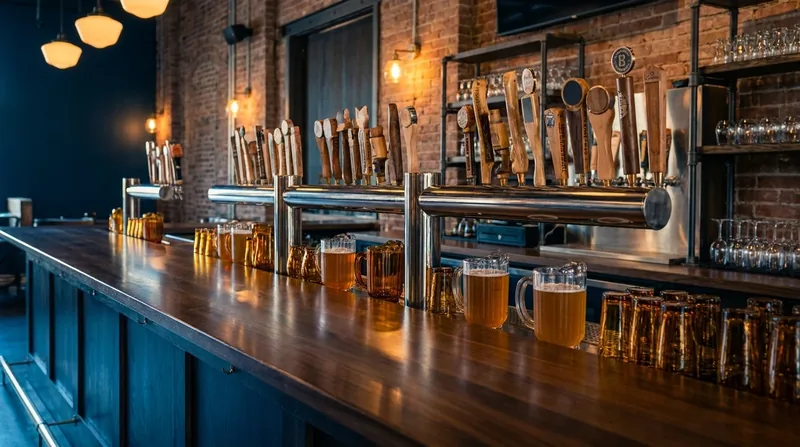
How to Start a Bar or Brewery in Massachusetts: Liquor Licenses Explained
How to Start a Bar or Brewery in Massachusetts: Liquor Licenses Explained
Opening a bar or brewery in Massachusetts means navigating one of the most tightly regulated licensing systems in the country. Liquor licenses in Massachusetts are controlled at both the state and local level, which means you'll need approval from the Alcoholic Beverages Control Commission (ABCC) and your municipality. This guide walks you through what you need to know, what it costs, and how long the process actually takes.
Understanding Massachusetts Liquor License Types
Massachusetts offers several categories of liquor licenses, each with different rules about what you can sell and where:
- On-Premises License: For bars, restaurants, and breweries that serve beer, wine, or spirits to customers at your location. This is what most bar and brewery owners need.
- Off-Premises License: For liquor stores and retailers that sell alcohol for consumption elsewhere.
- Restaurant License: Allows a restaurant to serve beer and wine (some allow spirits). Typically restricted to food establishments.
- Brewery/Winery License: Specific to producers who make beer or wine on-site and sell to customers. Breweries often hold this in addition to an on-premises license.
- Special License: For events, private clubs, or temporary sales at specific locations.
The license you need depends on your business model. If you're opening a traditional bar or a brewpub, you'll almost certainly need an on-premises license. If you're a brewery that also wants a tasting room, you may need a brewery license plus an on-premises license.
Key Requirements Before You Apply
Before you submit an application to the ABCC, understand that the state has strict requirements and your local municipality has significant control over whether you get approved.
Local Control: The Municipal Approval
Massachusetts gives cities and towns power over liquor licensing. Some municipalities have caps on the number of licenses they'll issue. Others have different rules about distance from schools, churches, or other bars. Boston, for example, is known for being restrictive about new liquor licenses.
Before investing time and money, contact your city or town clerk or licensing board and ask: Do they have available licenses? Are there municipal bylaws that might affect your application? What's their typical approval timeline? If your town has a license limit and no licenses are available, you may need to wait for an existing license to be transferred or surrendered.
Citizenship and Residency
Massachusetts requires that at least one person with a controlling interest in the business be a U.S. citizen or permanent resident and a Massachusetts resident. This applies to the owner or principal stockholder. You'll need to prove residency and citizenship when you apply.
Financial Stability
The ABCC expects you to demonstrate that you have adequate financing to operate the business and pay your bills. You'll typically need to show bank statements, proof of funding, or a business plan that shows how you'll cover startup and operating costs.
Location and Use
Your proposed location must be zoned appropriately. The premises must be suitable for the type of business you're proposing. You cannot have a on-premises liquor license in a location that is, for example, primarily a residential apartment. You may need to provide a lease agreement or proof that you control the property.
No Outstanding Legal Issues
The ABCC conducts background checks on all applicants. Any history of criminal convictions related to alcohol sales, fraud, or felonies can result in denial. Even charges that were dropped may be examined closely.
Step-by-Step: How to Get a Liquor License in Massachusetts
Step 1: Research Your Municipality and Check for Available Licenses
Contact your local licensing board or city clerk's office. Ask about:
- The number of on-premises licenses currently issued in your town
- The cap on licenses (if any)
- Zoning restrictions for bars or restaurants in your proposed location
- Local bylaws regarding distance from schools, churches, or residential areas
- The typical timeline for approval
- Required public hearing procedures
This conversation may save you months of wasted effort. If your town has no available licenses and won't issue more, you have no path forward unless someone surrenders an existing license.
Step 2: Secure Your Location
You'll need to either lease or own the property where your bar or brewery will operate. Get a signed lease agreement (from the landlord) or proof of ownership. The ABCC requires evidence that you control the premises.
Step 3: Form Your Business Entity
Most bar and brewery owners choose to file an LLC or S-corporation for liability protection and tax flexibility. File with the Massachusetts Secretary of the Commonwealth and obtain an EIN from the IRS. This step must be complete before you apply for a liquor license.
Step 4: Complete the ABCC Application
The Alcoholic Beverages Control Commission has a standard application form available on their website at mass.gov/orgs/alcoholic-beverages-control-commission. The application requires:
- Your business name, proposed location, and business structure
- Personal information for all owners and managing officers
- Proof of citizenship and residency
- A description of your premises and how you'll operate
- Proof that you control the location (lease or deed)
- Identification and background information for all principals
- Financial documentation
- Local licensing board approval or local board recommendation form
Read the instructions carefully. Missing documents are a common reason for delays or denials.
Step 5: Get Local Approval (or a Recommendation)
Massachusetts law typically requires that you obtain approval or a recommendation from your local licensing board before the ABCC will grant a license. This step varies by municipality. Some towns require a public hearing. Others conduct a background review and vote at a licensing board meeting.
At the local level, expect to present:
- Your business plan and operation plan
- How you'll manage crowds, parking, and noise
- Your qualifications and experience in the restaurant or bar industry
- How you'll comply with open-container laws and other regulations
Local boards often deny applications based on neighborhood impact concerns. If you're proposing a late-night club in a neighborhood with existing complaints about noise, you may face resistance. Being specific about your operating hours, crowd management, and community involvement helps.
Step 6: Submit to the ABCC
Once you have local approval (or a local recommendation), submit your complete application to the ABCC along with the local board's decision. You can apply by mail or in person at the ABCC office in Boston. Include all supporting documents: proof of citizenship, residency, financial statements, and the local approval letter.
Step 7: ABCC Investigation and Decision
The ABCC will conduct its own investigation. This may include background checks, review of your financial stability, and inspection of your premises. The timeline is not fixed; the ABCC does not publish standard processing times, but expect anywhere from 60 to 120 days, depending on workload and whether they request additional information.
If the ABCC has questions, they will contact you. Respond promptly. If you don't respond, your application may be denied.
Step 8: License Issuance and Posting
Once approved, the ABCC will issue your license. You must display it prominently in your establishment. The license must be visible to customers and inspectors. Never operate without a posted license; this is a violation.
Costs: How Much Does a Liquor License Cost in Massachusetts?
The cost of a liquor license in Massachusetts varies significantly and depends on several factors. We recommend confirming current fees directly with the ABCC and your local licensing board, as fees change periodically.
State ABCC Fees
The ABCC charges an application fee and, if approved, an annual renewal fee. These fees vary by license type. On-premises licenses typically have a higher fee than some other categories. The application fee is generally non-refundable, even if you're denied.
Confirm the exact current fees with the ABCC directly at mass.gov/orgs/alcoholic-beverages-control-commission. Fee schedules are posted on their website.
Local Licensing Board Fees
Your city or town may charge a separate application fee, approval fee, or local license fee. These vary widely by municipality. Boston's fees are different from a small town in Western Massachusetts. Contact your local licensing board for their fee schedule.
Other Costs to Budget For
- Legal Review: Hiring an attorney familiar with Massachusetts liquor law ($1,000 to $3,000 for application review and representation)
- Security System and Cameras: Most premises will need security cameras at entry points and bars
- Training and Certification: TIPS (Training for Intervention ProcedureS) certification for all staff members who serve alcohol ($30 to $50 per person)
- Building Modifications: Ensuring your space meets safety codes, egress requirements, and other building standards
- Insurance: Liquor liability insurance is essential and typically required (varies, but budget $2,000 to $5,000 annually)
Timeline: How Long Does It Take?
From start to finish, getting a liquor license in Massachusetts typically takes 4 to 6 months if everything goes smoothly. Here is a realistic breakdown:
- Weeks 1-4: Research your town, secure your location, and form your business
- Weeks 5-6: Complete the ABCC application and gather documents
- Weeks 7-12: Local licensing board approval process (varies; some towns are faster, some slower). Public hearings add time.
- Weeks 13-18: ABCC review, investigation, and final decision
This timeline assumes no significant roadblocks. If the local board denies you, or if the ABCC requests additional information, you may be looking at 6 months to a year. Some municipalities are much faster than others.
Tips to Strengthen Your Application
- Get Community Support: Letters of support from neighbors, local business owners, or civic groups help. If possible, show that the community wants your business.
- Demonstrate Industry Experience: If you have experience managing restaurants or bars, highlight it. If not, consider hiring a manager with proven experience.
- Have a Clear Operating Plan: Write a detailed plan that addresses hours, food service (if applicable), crowd management, and safety measures. Be specific about how you'll prevent problems.
- Show Financial Strength: Have solid financing in place and be able to show that you can sustain the business during startup. Banks and investors rarely fund bar startups, so be prepared with personal capital or investment from partners.
- Hire a Liquor License Attorney: Massachusetts liquor law is complex. An attorney familiar with your municipality's process can improve your odds and move things faster.
- Be Responsive: If the licensing board or ABCC requests information, provide it quickly and completely. Delays breed doubt.
Common Mistakes to Avoid
- Failing to Check Local Availability: Starting the process without confirming your town has available licenses wastes months and money. Do this first.
- Operating Before You Have a License: Serving alcohol without a license is illegal and can result in criminal charges. Wait for the license.
- Not Understanding Your Lease: Make sure your lease allows a liquor-serving business. Some landlords prohibit it. Get written permission upfront.
- Incomplete Applications: Missing documents trigger requests for more information and delays. Submit everything the first time.
- Ignoring Local Bylaws: If your town has distance requirements from schools or other bars, ensure your location complies. Starting in a location that violates local rules guarantees denial.
- Lack of Background Check Awareness: The ABCC will scrutinize your criminal history. If you have a record, disclose it fully and consider consulting an attorney before applying.
- Underestimating Operational Costs: Banks want to see that you've budgeted realistically. If your financial projections are unrealistic, your application will be viewed skeptically.
Ongoing Compliance and Renewal
Getting the license is not the end of the process. Once you're operating:
- Annual Renewal: Your license must be renewed every year. Renewal fees are charged by both the ABCC and your local board. Submit renewals on time.
- Staff Training: Massachusetts requires that all staff who handle alcohol complete TIPS training. This is an ongoing requirement.
- Hours Compliance: You must adhere to your approved hours. Operating outside your licensed hours is a violation.
- Inspections: The ABCC and local police conduct inspections. Be prepared to show your license, verify that staff are trained, and demonstrate compliance with alcohol service laws.
- Incident Reporting: If there are crimes, injuries, or serious disturbances at your establishment, you may be required to report them.
Special Considerations for Breweries
If you're opening a brewery (rather than a bar), you'll need a brewery license in addition to an on-premises license if you want a tasting room. Massachusetts distinguishes between breweries (manufacturers) and on-premises retailers. A brewery license allows you to produce beer on-site. An on-premises license allows you to serve customers at your location. Many breweries hold both.
Breweries may also have different local zoning requirements, especially if your production facility involves significant traffic or noise. Confirm with your town's planning department.
Resources
- Massachusetts Alcoholic Beverages Control Commission: mass.gov/orgs/alcoholic-beverages-control-commission, Official ABCC website with application forms, fee schedules, and regulations.
- Your Local City/Town Clerk or Licensing Board: Contact them first to understand local requirements and available licenses.
- TIPS Training: tipsalcohol.com, Mandatory staff training for alcohol service.
- SBA Guidance on Starting a Bar or Restaurant: sba.gov, General business startup guidance.
Final Thought
Opening a bar or brewery in Massachusetts is achievable but requires patience, planning, and careful attention to both state and local requirements. The dual approval process (local first, then state) exists because Massachusetts takes alcohol licensing seriously. It's not quick, and it's not cheap. But if you're prepared, responsive, and realistic about the timeline and costs, you can navigate it successfully.
Disclaimer: This article is informational and is not legal or tax advice. Liquor licensing laws are complex and vary by municipality. Before you invest significant time or money, consult with a Massachusetts attorney who specializes in liquor licensing to review your specific situation and local requirements. Consider also consulting with a CPA regarding the tax implications of bar or brewery ownership.
Keep exploring: related Massachusetts guides
- How to Start a Bakery Business in Massachusetts
- How to Start a Catering Business in Massachusetts
- How to Start an Ice Cream Shop in Massachusetts
- How to Start a Coffee Shop Business in Massachusetts
- How to Start an LLC in Massachusetts
- Massachusetts Business License
- How Much Does It Cost to Start a Business in Massachusetts
- All Massachusetts business types
- Every Massachusetts guide in one place