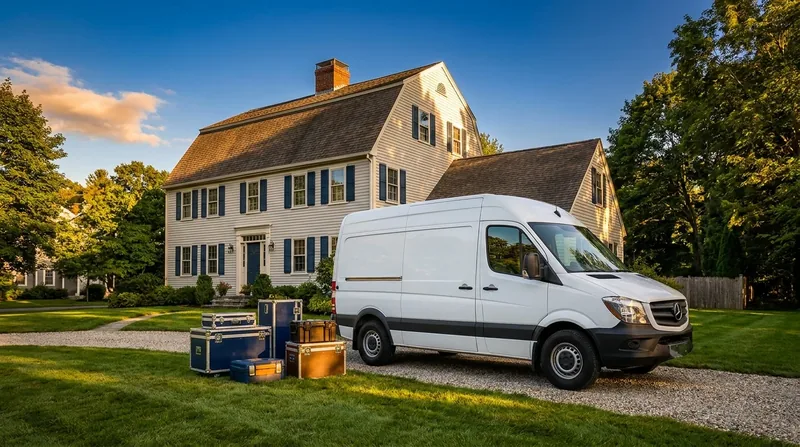
How to Start a Moving Company in Massachusetts
How to Start a Moving Company in Massachusetts
Starting a moving company in Massachusetts requires navigating state regulatory requirements, obtaining proper insurance, and setting up your business structure. The process is straightforward once you understand the specific steps: registering with the Motor Carrier Division (MDPU), securing financial responsibility, forming your business entity, and maintaining compliance with state and federal transportation laws. This guide walks you through each phase of launching your moving company.
Understanding Massachusetts Moving Company Requirements
Massachusetts classifies moving companies as motor carriers subject to regulation by the Motor Carrier Division (MDPU). This means your company must be registered, insured, and compliant with safety and consumer protection rules before you legally operate. Unlike some business types, you cannot simply form an LLC and begin accepting moves; the state requires advance registration and proof of financial responsibility.
The regulatory framework exists to protect consumers and maintain safety standards. Every moving company handling household goods or commercial cargo in Massachusetts must comply with these requirements, whether you operate locally or across state lines. Federal regulations from the Federal Motor Carrier Safety Administration (FMCSA) also apply if you move goods across state lines.
The timeline from starting the process to your first legal move typically spans 4 to 8 weeks, depending on how quickly you gather documentation and clear the MDPU review. Plan accordingly if you have a target launch date.
Step 1: Determine Your Business Structure and Register Your Company
Before registering with the MDPU, you must establish a legal business entity in Massachusetts. Most new moving companies choose either a limited liability company (LLC) or a corporation for liability protection and tax flexibility.
To form an LLC in Massachusetts, file a Certificate of Organization with the Secretary of the Commonwealth. The filing fee is $520. The LLC name must include "limited liability company," "limited company," or the abbreviation LLC or LC. You must also appoint a resident agent (an individual Massachusetts resident or a domestic corporation) who can accept legal documents on behalf of your company. Once your LLC is formed, obtain an EIN (Employer Identification Number) from the IRS at no cost; you will need this for the MDPU registration and employment purposes.
If you form a corporation instead, the Articles of Organization filing fee is $265. Both structures are valid for a moving company; LLCs are more common for small operations because they offer simpler compliance and pass-through taxation, while corporations may be preferred if you plan to raise investment capital later.
Step 2: Secure Proof of Financial Responsibility (Insurance)
Massachusetts requires every moving company to provide proof of financial responsibility before you can receive your MDPU registration. This is the most critical step and cannot be skipped or delayed. The state requires either a surety bond or insurance that meets minimum coverage limits.
You will need commercial general liability insurance covering bodily injury and property damage. Many moving companies also carry property coverage for cargo in transit, since you will be responsible for customer goods. The exact minimum coverage required by MDPU varies; you should confirm the current minimums directly with the Motor Carrier Division. Typical coverage ranges from $100,000 to $500,000 depending on the scope of operations.
Contact insurance brokers who specialize in transportation and moving companies; they understand state requirements and can structure a policy that satisfies MDPU standards. Expect to provide your business structure documents, proof of EIN, driver information for your operators, and details of any safety violations or prior claims. The first-year premium typically ranges from $1,500 to $5,000 depending on coverage limits and your company profile. A broker can also provide the Certificate of Insurance (sometimes called a Certificate of Financial Responsibility) that you will submit to MDPU.
Step 3: Register with the Motor Carrier Division (MDPU)
The Motor Carrier Division regulates moving companies under Massachusetts law. You must apply for a motor carrier permit before operating legally in the state. Visit the MDPU's website or contact them directly to request the application and current fee schedule. The registration process involves completing an application form, submitting proof of financial responsibility (your Certificate of Insurance), providing details about your company, equipment, and operations, and paying the application and annual registration fee.
Prepare the following documents for your MDPU application:
- Certificate of Organization or Articles of Incorporation (for your LLC or corporation)
- Proof of EIN from the IRS
- Certificate of Insurance showing proof of financial responsibility
- Detailed list of equipment (trucks, trailers, etc.) you plan to operate
- Operating plan describing the types of moves you will handle (local, long-distance, household goods, commercial)
- Safety plan and driver qualification procedures
- Address of your principal business location in Massachusetts
The MDPU processes applications and typically responds within 3 to 6 weeks. Once approved, you receive a motor carrier permit and registration number. Display this number on all vehicles. If the MDPU requests additional information, respond promptly to avoid delays.
Step 4: Obtain Additional Permits and Licenses
In addition to MDPU registration, you may need permits depending on your location and operations:
Local Business Certificate (Doing Business As): If your company operates under a name different from your registered entity name, file a Business Certificate with the city or town clerk where you have an office. Boston, for example, charges $65 for the filing ($35 more for a non-resident). The certificate is valid for four years and must be renewed.
Sales Tax Permit: If you charge sales tax in Massachusetts (some moving services are taxable), register with the Department of Revenue online at the Massachusetts Tax Connect website. Most moving labor is not subject to sales tax, but supplies and certain services may be. Confirm your tax obligations with an accountant.
Specialized Licenses: If you plan to handle hazardous materials, transport specialty items (fine art, antiques), or provide storage services, additional state permits may apply. Contact the MDPU to confirm requirements for your specific service offerings.
Federal Authority (if interstate): If you plan to move goods across state lines, you need federal motor carrier authority from the Federal Motor Carrier Safety Administration (FMCSA). Apply online at the FMCSA website using Form BOC-3 (Biennial Update of Contact Information and Certification) and pay the filing fee (currently around $300 to $500). This is separate from and in addition to state registration.
Step 5: Set Up Your Insurance and Compliance Systems
Beyond the initial Certificate of Insurance you submitted to MDPU, implement ongoing insurance and safety practices:
Driver Coverage: Ensure every driver is listed on your commercial auto liability policy. Conduct background checks and driving record reviews for all operators. Massachusetts law requires checking driving records for any employee who will operate a company vehicle.
Vehicle Maintenance Records: Keep detailed logs of maintenance, inspections, and repairs for all trucks and equipment. The MDPU may conduct audits and will request these records. Proper maintenance reduces accidents and demonstrates compliance.
Safety Training: Develop a safety program for employees covering proper loading, securing cargo, and preventing damage. Document all training. This reduces claims and shows the MDPU you take compliance seriously.
Consumer Protections: Maintain written contracts with all customers outlining services, pricing, terms, and your liability limitations. Keep records of all complaints and how they were resolved. Massachusetts consumer protection laws apply to moving companies, and maintaining transparency builds your reputation.
Step 6: Register for Employment and Tax Compliance
If you plan to hire employees (which most moving companies do), register with the Massachusetts Department of Unemployment Insurance and obtain a State Account Number. You must also register with the Department of Revenue for withholding taxes. These registrations typically process within 1 to 2 weeks.
Set up payroll systems for employees, including federal income tax withholding, state income tax withholding (currently 5% flat rate on most income in Massachusetts), and unemployment insurance contributions. Work with a payroll service or accountant to ensure compliance; moving companies with employees cannot operate as sole proprietorships without proper tax and employment registrations.
Step 7: Establish Pricing, Marketing, and Operations
Once licensed, develop your pricing model. Moving company pricing typically includes:
- Hourly labor rates for crew members (typically $60 to $150 per hour per person in Massachusetts)
- Equipment fees (truck rental or per-mile charges)
- Travel time for long-distance moves
- Packing and specialty handling surcharges
- Insurance and deposit policies
Create a simple website or social media presence so customers can contact you. Obtain reviews on Google Business and Yelp to build credibility. Most customers search for "movers license Massachusetts" or "licensed moving companies near me," so make sure your MDPU permit number appears prominently on your website and marketing materials. This signals to customers that you meet state requirements.
Costs Summary for Starting a Moving Company in Massachusetts
Here is a realistic cost breakdown for launching your moving company:
- LLC formation (Certificate of Organization): $520
- Registered agent (annual, if using a service): $100 to $300
- Liability insurance (annual, first year): $1,500 to $5,000
- Business certificate (local filing): $65 to $150
- MDPU registration and permit: confirm current fee with the Motor Carrier Division; typically $200 to $500
- Initial equipment (truck(s), dollies, blankets, tools): $5,000 to $50,000+
- Signage and branding: $500 to $2,000
- Website and online presence: $300 to $1,500
Total startup costs typically range from $8,000 to $60,000+, depending primarily on whether you own or lease equipment. Many new operators lease trucks initially to minimize capital outlay.
Tips to Avoid Common Mistakes
Do not operate without MDPU registration. Operating an unlicensed moving company in Massachusetts can result in fines, legal liability, and customer lawsuits. The regulatory requirement is non-negotiable.
Maintain insurance continuously. If your insurance lapses, your registration can be suspended. Set up automatic premium payments to avoid gaps.
Keep complete records. The MDPU audits moving companies. Maintain all maintenance, safety, and customer records for at least 3 years. Poor documentation can result in compliance violations.
Protect customer goods. Develop a clear damage liability policy and follow it consistently. Most disputes with customers stem from perceived mishandling or miscommunication about what is and is not covered. Document the condition of items before and after the move.
Hire qualified drivers. Verify licenses, conduct background checks, and invest in safety training. A single accident involving an improperly vetted driver can result in liability claims and regulatory scrutiny.
Do not misrepresent your license status. Never claim you are registered if you are not, and never display a permit number that is not yours. Fraudulent licensing is a criminal matter.
Expected Timeline and Results
If you follow these steps systematically, you can realistically launch your moving company within 6 to 10 weeks from the date you begin:
- Week 1 to 2: Form your LLC and obtain your EIN
- Week 2 to 4: Secure insurance and obtain your Certificate of Insurance
- Week 3 to 6: Apply to the MDPU and await approval
- Week 4 to 8: Obtain local permits and registrations
- Week 6 to 10: Set up operations, vehicles, and staff, then accept your first jobs
This timeline assumes no delays or requests for additional information from regulatory agencies. In practice, some applications clear faster and some take longer depending on volume and completeness of your submission.
Important Disclaimers
This article is informational only and does not constitute legal or tax advice. Moving company licensing, insurance requirements, and regulatory compliance are complex and specific to your business model and location. Before launching, consult with a Massachusetts attorney licensed to practice business law and a CPA or tax professional experienced with transportation and moving company operations. The specific fees, requirements, and procedures described here are current as of the publication date but are subject to change; always verify current requirements directly with the Massachusetts Motor Carrier Division and the Department of Revenue.
Starting a moving company in Massachusetts is achievable with proper planning and compliance. The state's regulatory framework protects consumers and ensures professional standards. By following the steps outlined here, obtaining the necessary permits and insurance, and maintaining ongoing compliance, you can build a legitimate, profitable moving business that serves Massachusetts customers with confidence and credibility.
Keep exploring: related Massachusetts guides
- How to Start a Courier and Delivery Business in Massachusetts
- How to Start a Towing Business in Massachusetts
- How to Start a Car Rental or Turo Business in Massachusetts
- How to Start a Trucking Company in Massachusetts
- How to Start an LLC in Massachusetts
- Massachusetts Business License
- How Much Does It Cost to Start a Business in Massachusetts
- All Massachusetts business types
- Every Massachusetts guide in one place