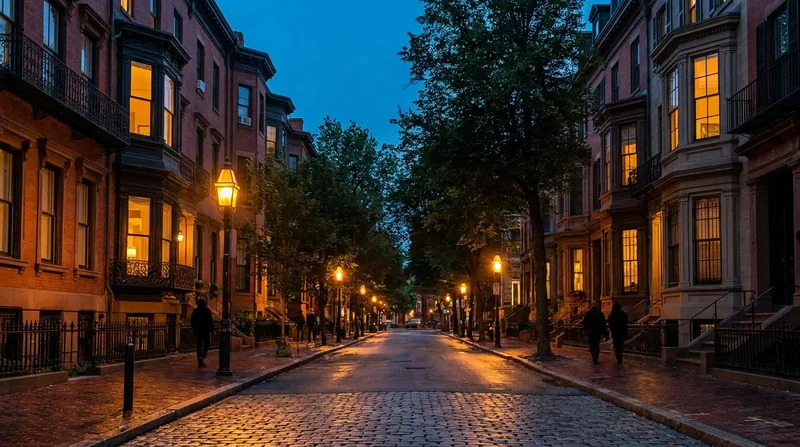
How to Start an Airbnb in Boston: Registration and Rules
How to Start an Airbnb in Boston: Registration and Rules
Starting a short-term rental business in Boston requires navigating a specific set of regulations that differ from other Massachusetts cities. Boston enforces one of the stricter regulatory frameworks for Airbnb hosts in the state, with licensing requirements, owner-occupancy rules in some cases, and ongoing compliance obligations. This guide walks you through the process step by step, from initial planning through your first booking.
What You Need Before Starting: Materials and Documentation
Before you register with the city or list your property, gather these essentials:
- Your property deed or proof of ownership (or landlord authorization if you rent)
- A valid Massachusetts ID or driver's license
- Your Social Security Number or Employer Identification Number (EIN)
- Property address and accurate square footage
- Information about your property type (single-family, condo, apartment, multi-unit building)
- Current property tax records
- Homeowners or landlord insurance policy (you must notify your insurer)
- Certificate of Occupancy or similar proof that the unit is legally habitable
- Floor plans showing bedroom count and total square footage
- A working email address and phone number
If you rent the property rather than own it, you'll also need written consent from your landlord or property manager authorizing short-term rental use.
Step 1: Verify Your Property Meets Zoning and Building Requirements
Boston has specific zoning rules about where short-term rentals are permitted. Before investing time in the registration process, confirm that your property is in a zone that allows short-term rental use.
What to do: Contact the Boston Planning and Development Agency (BPDA) or your local neighborhood office to confirm your property's zoning classification. You can also check the zoning map online through the City of Boston GIS mapping system. Some residential zones restrict short-term rentals to owner-occupied properties only. Others prohibit them entirely.
Common restriction: Many neighborhoods require that the host live in the property as their primary residence for most of the year. If you own a second home or investment property, you may not be eligible to list it in those areas.
Expected timeline: This verification typically takes 2 to 5 business days if you contact the city directly, or you can check online maps yourself in minutes.
Step 2: Check Your Property's Certificate of Occupancy
Boston requires that short-term rental properties have a valid Certificate of Occupancy (CO). This document confirms that your unit meets all building codes and is legally inhabitable.
What to do: Request your Certificate of Occupancy from the Boston Inspectional Services Department (ISD). If you own a condo, your building's master CO should cover your unit, but you may need to request unit-specific documentation. If your property is in a multi-unit building, the building owner may need to file updated occupancy information.
If you don't have a CO: You will not be able to register your property for short-term rental use. You may need to request a building inspection, make any required code corrections, and then apply for one. This process can take 4 to 12 weeks depending on inspection findings.
Cost: Obtaining or updating a Certificate of Occupancy may involve inspection fees. Confirm the current fee with ISD, as it varies.
Step 3: Notify Your Insurance Company and Update Your Policy
Your standard homeowners or renters insurance does not cover short-term rental use. You must contact your insurance carrier and disclose that you are operating a short-term rental business.
What to do: Call your insurance agent and explain that you will be renting your property short-term through Airbnb or similar platforms. Ask whether your existing policy can be amended to cover short-term rental liability or whether you need a separate short-term rental or landlord insurance policy.
What to expect: Most standard homeowners policies will require you to switch to a landlord or rental property policy. Short-term rental insurance is more expensive than standard homeowners coverage, typically adding $50 to $300+ per month depending on your property value, location, and coverage limits.
Important: Do not list your property or accept bookings until your insurance is in place. A liability claim on an uninsured rental can result in complete loss of coverage for your property.
Step 4: Obtain a Short-Term Rental License from the City of Boston
Boston requires all short-term rental hosts to obtain a license from the Inspectional Services Department (ISD) before accepting guests.
What to do: Visit the City of Boston ISD website or office (dial 311 for city services) and request a short-term rental license application. You will need to provide your property address, owner information, number of units being rented, and proof that your property meets the requirements listed above (zoning eligibility, occupancy certificate, owner-occupancy if required in your zone).
Application fee and timeline: Confirm the current application fee and processing timeline directly with ISD, as these are set by the city and subject to change. Expect processing to take 2 to 6 weeks once you submit a complete application.
License duration: Boston short-term rental licenses are typically issued for a set term and must be renewed before expiration. Confirm the renewal timeline when you apply.
Step 5: Register for Massachusetts Meals Tax (If Applicable)
If you provide meals, linens, or housekeeping services as part of your rental, you may be required to register for the Massachusetts meals tax. Most basic Airbnb-only rentals without these services do not trigger this requirement, but it depends on your specific offerings.
What to do: Contact the Massachusetts Department of Revenue (DOR) to clarify whether your business model requires meals tax registration. You can call their Business Tax hotline or visit https://www.mass.gov/orgs/massachusetts-department-of-revenue.
Expected timeline: Registration is usually quick (same day or next business day).
Step 6: Register for Massachusetts Sales Tax (Short-Term Rental Occupancy Tax)
Massachusetts requires short-term rental hosts to collect and remit occupancy tax on nightly rental fees. This is separate from your personal income tax.
What to do: Register with the Massachusetts Department of Revenue for a sales and use tax account, even if you don't sell taxable goods. This account will track your short-term rental occupancy tax obligations. Registration is free and can be done online through the DOR portal.
Tax rate: Boston's occupancy tax is in addition to the state sales tax rate of 6.25%. Confirm the total local occupancy tax rate for Boston with DOR or the City of Boston, as rates change annually.
What this means: You will collect tax from guests at checkout and remit it to the state quarterly or monthly, depending on your revenue. Airbnb and other platforms often handle this collection and remittance automatically in jurisdictions where they operate, but verify with your specific platform.
Filing timeline: Occupancy tax is typically due quarterly on the 20th of the month following each quarter (April 20 for Q1, July 20 for Q2, etc.).
Step 7: Obtain a Federal Employer Identification Number (EIN) or Use Your Social Security Number
For tax reporting purposes, you need an EIN or must use your Social Security Number. An EIN is free and keeps your business finances separate from personal income in the eyes of the IRS.
What to do: If you don't already have an EIN, apply for one at the IRS website or call the IRS Business and Specialty Tax Line. You can also apply by mail. There is no cost and approval is immediate online.
Why get an EIN: An EIN allows you to set up a separate business bank account, makes quarterly tax filings easier, and simplifies recordkeeping.
Step 8: Set Up Dedicated Business Bank Account and Accounting
To track income and expenses for tax purposes, open a separate bank account for your short-term rental business.
What to do: Visit a bank and open a business checking account using your EIN and business name (or your name, if operating as a sole proprietor). Deposit all rental income into this account and pay all rental-related expenses from it. This makes tax reporting and auditing significantly easier.
Recordkeeping: Keep detailed records of all income (booking fees, deposits, additional fees) and expenses (mortgage interest, property tax, insurance, utilities, repairs, cleaning, Airbnb's commission). You'll need these for your tax return and any potential audit.
Step 9: Understand Your Tax Obligations
Short-term rental income is taxable business income in Massachusetts. You must report all rental income on your federal and state tax returns.
What to expect: Your rental income is subject to federal income tax at your marginal tax rate. Massachusetts also taxes this income at the current personal income tax rate (5.0% on most income, plus a 4% surtax on income above $1,000,000 for the year).
Deductible expenses: You can deduct legitimate business expenses including mortgage interest (not principal), property tax, insurance, repairs and maintenance, utilities, cleaning costs, supplies, and Airbnb's commission. Consulting a CPA is recommended to ensure you capture all eligible deductions.
Self-employment considerations: If you operate as a sole proprietor, you may owe self-employment tax on your net rental income. A CPA or tax professional can advise on whether forming an LLC offers tax advantages in your situation.
Step 10: List Your Property and Set House Rules
Once you have your Boston license, insurance in place, and tax registration complete, you're ready to create your Airbnb listing.
What to include: Your listing should be accurate and complete. Include your short-term rental license number (Boston may require this on your listing). Be clear about house rules, check-in/check-out times, guest capacity, pet policy, parking, and any amenities. Accurate descriptions reduce disputes and poor reviews.
Best practice: Take high-quality photos from multiple angles. Describe your property accurately, including neighborhood context, proximity to transit, and what guests should expect. Dishonest listings lead to cancellations, bad reviews, and potential license violations.
Tips to Avoid Common Mistakes
- Don't skip zoning verification. Many Boston hosts lose their licenses for operating in prohibited zones. Verify you're allowed before investing in improvements or marketing.
- Don't operate without liability insurance. One serious guest injury could financially devastate you if you lack proper coverage.
- Don't hide income from the IRS. Short-term rental income leaves a paper trail through bank deposits and Airbnb reporting. Taxes are non-negotiable, and penalties for underreporting are substantial.
- Don't ignore occupancy tax obligations. The state audits short-term rental hosts for unpaid occupancy taxes. Monthly or quarterly remittance is mandatory.
- Don't fail to renew your license. Your Boston short-term rental license expires. Missing renewal deadlines can result in fines or de-listing.
- Don't allow unauthorized guests. Boston prohibits guests from subletting your property or allowing unregistered occupants. Your lease and guest agreement must be clear.
- Don't ignore neighbor complaints. Excessive noise, trash, or parking problems can trigger neighborhood complaints and ISD investigations. Manage guest behavior proactively.
Expected Results and Timeline
The complete process from initial planning to accepting your first booking typically takes 6 to 12 weeks, assuming no building code issues or lengthy city processing delays. Here's a rough timeline:
- Weeks 1 to 2: Verify zoning, gather documentation, notify insurance company
- Weeks 2 to 4: Apply for short-term rental license, secure updated insurance policy
- Weeks 4 to 8: Wait for license approval (4 to 6 weeks typical processing)
- Weeks 6 to 8: Register with Massachusetts DOR, obtain EIN, open business bank account
- Weeks 8 to 12: Create detailed Airbnb listing, photograph property, set pricing and rules
Complications such as needed building repairs, zoning issues, or slow city processing can extend this timeline significantly.
Legal and Tax Disclaimer
This article is informational and does not constitute legal or tax advice. Short-term rental regulations in Massachusetts and Boston are complex and subject to change. Before launching your Airbnb business, consult with a Massachusetts-licensed attorney regarding zoning restrictions, lease terms if you rent your property, and liability protection. Additionally, consult a CPA or tax professional familiar with Massachusetts short-term rental taxation to ensure you structure your business correctly and comply with all federal and state tax obligations.
Next Steps: Get Help From City Resources
- Boston Inspectional Services Department (ISD): Call 311 or visit the city website to request a short-term rental license application and confirm current fees and timelines.
- Massachusetts Department of Revenue: Visit https://www.mass.gov/orgs/massachusetts-department-of-revenue to register for sales and occupancy tax.
- Boston Planning and Development Agency (BPDA): Confirm zoning eligibility for your property before applying for a license.
- Local neighborhood office: Some Boston neighborhoods have additional rules or community boards that oversee short-term rental applications.
Keep exploring: related Massachusetts guides
- How to Start a Short-Term Rental Business in Massachusetts
- How to Start a Charter Fishing Business in Massachusetts
- How to Start an LLC in Massachusetts
- Massachusetts Business License
- How Much Does It Cost to Start a Business in Massachusetts
- All Massachusetts business types
- Every Massachusetts guide in one place