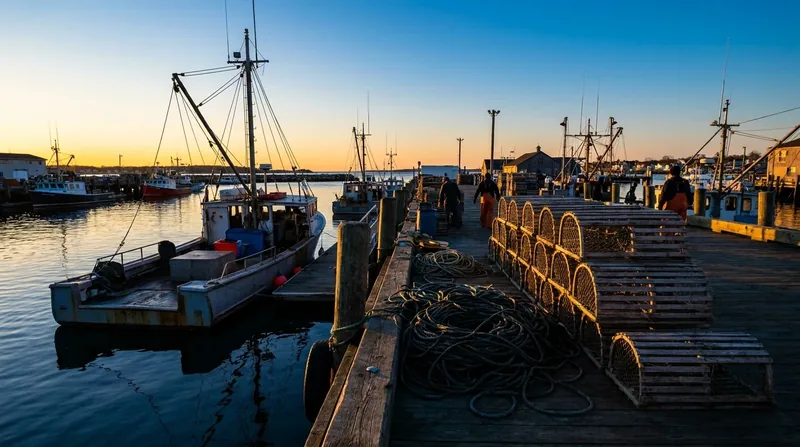
How to Start a Commercial Fishing Business in Massachusetts
How to Start a Commercial Fishing Business in Massachusetts
Massachusetts has a long history as a fishing powerhouse, and the commercial fishing industry remains vital to coastal communities. If you're ready to start a commercial fishing business in Massachusetts, you'll need to navigate state and federal licensing requirements, register a vessel, obtain proper insurance, and invest in equipment. This guide walks you through each step, from getting your commercial fishing license massachusetts to securing a lobster license massachusetts and seafood dealer permits.
Understanding Massachusetts Commercial Fishing Licenses
Massachusetts administers commercial fishing through the Department of Marine Fisheries (DMF), which oversees all marine resource management in the state. Unlike recreational fishing, commercial fishing requires multiple licenses and permits that regulate which species you can target, where you can fish, and how much you can catch.
The primary license you'll need is a commercial fishing license massachusetts, which permits you to harvest fish and shellfish for sale. If you plan to target lobster, you'll also need a massachusetts lobster license, which is one of the most regulated and valuable licenses in the state. Additionally, if you intend to sell seafood directly or operate as a processor, you'll need a seafood dealer license massachusetts to comply with food safety regulations.
Processing times and fees vary, so verify all current requirements and costs directly with the Department of Marine Fisheries at https://www.mass.gov/lists/dmf-licenses-and-permits before submitting applications.
Materials and Resources You'll Need
Before applying for licenses, gather these essential items and documents:
- Vessel registration documents for your fishing boat, including hull identification number (HIN), vessel length, and tonnage.
- Proof of citizenship or legal residency in the United States (valid passport, naturalization certificate, or permanent resident card).
- Massachusetts residency documentation, such as a driver's license, lease agreement, or utility bill showing current address.
- Fishing gear specifications (trap dimensions, net mesh size, rod and reel details, depending on your target species).
- Business structure documentation if operating as an LLC or corporation (Certificate of Organization or Articles of Organization filed with the Massachusetts Secretary of the Commonwealth).
- Insurance quotes for commercial vessel liability and property coverage.
- Written consent from the boat owner if you do not own the vessel yourself.
- Proof of payment for application fees (submit with your application).
Step-by-Step Guide to Getting Licensed
Step 1: Establish Your Business Entity
Before applying for fishing licenses, decide your business structure. Most commercial fishers operate as sole proprietors, partnerships, LLCs, or corporations. If you choose to form an LLC or corporation, you'll need to file a Certificate of Organization or Articles of Organization with the Massachusetts Secretary of the Commonwealth. This step is optional for sole proprietors but offers liability protection and clearer legal standing.
Filing costs for an LLC are $520 (or $540 with expedited processing), and corporate formation requires a $265 filing fee. Processing typically takes 1 to 5 business days depending on whether you file electronically, by fax, or by mail. Forming a business entity also makes it easier to obtain commercial bank accounts and business insurance, both of which you'll need.
Step 2: Register Your Fishing Vessel
Your fishing vessel must be registered with the Massachusetts Division of Marine Fisheries. Before applying for a fishing license, you'll need your vessel's hull identification number (HIN), length overall, and gross tonnage. If you're purchasing a used boat, verify the HIN matches the title and any existing registration.
Contact the DMF Vessel Registration office or visit https://www.mass.gov/lists/dmf-licenses-and-permits to obtain vessel registration forms. Provide proof of ownership (bill of sale or title) and payment of the registration fee. Vessel registration typically takes 5 to 10 business days.
Step 3: Apply for a Commercial Fishing License Massachusetts
The commercial fishing license massachusetts is your foundation permit. It allows you to operate as a commercial fisher and harvest specific species. Applications are submitted directly to the Department of Marine Fisheries.
To apply, you'll need:
- Completed DMF commercial fishing license application form.
- Proof of Massachusetts residency (established within 5 years before application).
- Your vessel registration number and documentation.
- A statement of which species you intend to target (finfish, shellfish, or both).
- Your proposed fishing gear types (traps, nets, rods, dredges, etc.).
- The completed application fee (verify current amount on the DMF website).
Submit your application by mail, in person at the DMF office, or through their online licensing portal if available. The DMF typically responds within 20 to 30 business days. Once approved, your license is valid for one calendar year and must be renewed annually.
Step 4: Obtain a Lobster License Massachusetts (If Targeting Lobster)
If you plan to fish for lobster commercially, a massachusetts lobster license is required in addition to your commercial fishing license. The lobster fishery is heavily regulated, with limited entry and specific gear requirements.
To obtain a lobster license massachusetts, you must:
- Already hold a valid commercial fishing license.
- Demonstrate 10 years of participation in the lobster fishery or apprenticeship with an existing lobster fisher (minimum 2 to 3 years under direct supervision).
- Own or lease a vessel suitable for lobstering (minimum length and equipment standards apply).
- Complete a DMF orientation or training if required for new licensees.
- Pay the lobster license fee (verify current cost with DMF, as it varies annually based on management area and vessel size).
The lobster fishery operates under a quota system managed by federal and state agencies. Your annual catch allocation is determined by your license category and management area. The DMF will assign you to one of multiple zones (typically numbered 1 through 3 or more) based on your home port location. Lobster licenses are valuable assets, often worth significant sums if transferred or sold, and are subject to strict residency and participation requirements.
Step 5: Secure a Seafood Dealer License Massachusetts
If you intend to sell your catch directly to consumers, restaurants, or other buyers (rather than selling exclusively to a licensed wholesaler), you'll need a seafood dealer license massachusetts. This license ensures your business complies with food safety and traceability regulations enforced by the Massachusetts Department of Public Health and the U.S. Food and Drug Administration (FDA).
To obtain a seafood dealer license massachusetts, submit to the DMF:
- Completed seafood dealer license application.
- Proof of a commercial kitchen or processing facility that meets state and federal food safety standards.
- Documentation of food handler training for you and any employees.
- Proof of product liability insurance.
- A detailed description of your intended operations (processing, packaging, labeling, storage).
- The dealer license fee (verify current cost with DMF).
Processing typically takes 15 to 30 business days after submission. The DMF may conduct an inspection of your facility to ensure compliance with food safety codes before issuing your license. Your license must be renewed annually, and you must maintain records of all product purchased, processed, and sold for five years.
Step 6: Obtain Commercial Fishing Insurance
Before launching your business, secure commercial fishing vessel insurance. Most lenders and many buyers will require proof of insurance before contracting with you. Commercial fishing insurance typically covers:
- Vessel hull and machinery coverage.
- Protection and indemnity (liability) for injury to crew or third parties.
- Loss of earnings if your vessel is damaged and unable to fish.
- Fishing gear coverage for traps, nets, lines, and other equipment.
Contact commercial marine insurance brokers specializing in fishing vessels for quotes. Costs vary based on vessel size, age, location, and your experience, but typically range from several hundred to several thousand dollars annually. Insurance companies may require proof of proper vessel maintenance, crew training, and safety equipment compliance before issuing a policy.
Step 7: Register Your Business with Massachusetts Tax Authorities
Register your commercial fishing business with the Massachusetts Department of Revenue for sales and use tax purposes, even if you don't expect to charge sales tax (seafood sales may have different tax treatment). Obtain a Massachusetts Tax Account Number by registering at https://mtc.dor.state.ma.us/mtc/_/ or filing Form ST-1 with the Department of Revenue.
Additionally, if you have employees, you'll need to register for Massachusetts unemployment insurance, withholding tax, and wage and hour compliance. Sole proprietors report business income on their personal tax returns, while LLCs and corporations file separate business tax returns. Consult a CPA or tax professional to understand your obligations.
Understanding Commercial Fishing Fees and Costs
Starting a commercial fishing business requires significant upfront capital. Here are typical costs to budget for:
- Fishing vessel: $50,000 to $500,000+ depending on size and condition. Used boats are often more affordable than new construction.
- Fishing gear: $5,000 to $50,000+ depending on your target species and method (traps, nets, lines, etc.).
- Commercial fishing license: Verify current fee with DMF (typically $100 to $300 annually).
- Lobster license (if applicable): Verify current fee with DMF (varies by management area and may be higher for new entrants).
- Vessel registration: Verify current fee with DMF (typically $50 to $150 annually).
- Seafood dealer license: Verify current fee with DMF (typically $100 to $500 annually if processing/reselling).
- Commercial insurance: $1,000 to $10,000+ annually depending on vessel value and operation scale.
- Fuel, bait, and supplies: Variable, typically several hundred to several thousand dollars per month depending on fishing season and target species.
- Equipment maintenance and repairs: Budget 5 percent to 10 percent of vessel value annually.
- Legal and accounting services: $2,000 to $5,000 annually for business setup and tax compliance.
Tips to Avoid Common Mistakes
Verify residency requirements early. Massachusetts commercial fishing licenses require established state residency. If you're new to the state, you may need to establish residency for a specific period (typically one year) before applying. Start this process immediately if relocating.
Understand catch allocation and reporting. Commercial fisheries operate under catch quotas and daily limits. You must report your landings accurately to the DMF. Misreporting or exceeding your quota can result in fines, license suspension, or prosecution. Keep detailed logs of every trip and sale.
Don't skip vessel safety inspections. Your fishing vessel must pass U.S. Coast Guard safety inspections if it's 16 feet or longer. Ensure proper life jackets, fire extinguishers, radio equipment, and navigation lights are installed and functional. Non-compliance can result in port detention or criminal charges.
Get written approval for boat ownership. If you're operating someone else's boat, obtain a notarized letter from the owner authorizing your commercial fishing activities. The DMF may require this documentation to issue your licenses.
Plan for seasonal market demand. Lobster and other seafood prices fluctuate seasonally and with supply. Budget for slow periods and maintain cash reserves to cover expenses during low-earning seasons. Many commercial fishers supplement income with other work during off-season months.
Stay current on food safety regulations. If you're selling processed seafood, federal FDA regulations require Hazard Analysis Critical Control Points (HACCP) training and documentation. Massachusetts enforces these standards strictly. Invest in proper training for yourself and any employees.
Join a fishing cooperative. Many Massachusetts commercial fishers benefit from joining cooperatives or associations that negotiate prices, share processing facilities, and advocate for policy changes. These organizations can provide valuable market access and support.
Timeline and Expected Results
The complete process to launch a commercial fishing business typically takes three to six months, depending on your readiness and the DMF's processing capacity:
- Month 1: Establish your business entity (if forming an LLC or corporation) and register your vessel with the DMF. Time frame: 1 to 2 weeks.
- Month 1 to 2: Apply for your commercial fishing license. Expected approval: 20 to 30 business days after submission.
- Month 2 to 3: If targeting lobster, apply for your lobster license massachusetts. This may take 30 to 60 days if experience verification is required.
- Month 2 to 3: If selling directly, apply for your seafood dealer license massachusetts. Expected approval: 15 to 30 business days after inspection.
- Month 1 to 2: Secure commercial fishing insurance. This can typically be arranged in 1 to 2 weeks once you have vessel registration documents.
- Month 2 to 3: Register with the Massachusetts Department of Revenue and set up business banking and accounting systems.
- Month 4 to 6: Begin commercial fishing operations with all licenses, insurance, and systems in place.
Once licensed, you may expect to begin generating revenue within weeks of your first commercial fishing trip. However, profitability depends on many factors: seafood market prices, your catch volume, operating costs, and seasonal demand. Established commercial fishers typically report that vessels become profitable within one to two years of operation, though this timeline varies widely based on species targeted, fishing location, and market conditions.
Important Disclaimer
This article provides informational guidance on starting a commercial fishing business in Massachusetts and is not a substitute for legal or tax advice. Commercial fishing involves complex federal and state regulations, environmental compliance, labor law, and tax obligations that vary based on your specific business structure, target species, and location. Before launching operations, consult with a Massachusetts-licensed attorney experienced in marine and business law, and work with a CPA or tax professional familiar with commercial fishing operations. Additionally, verify all current licensing requirements, fees, and procedures directly with the Massachusetts Department of Marine Fisheries at https://www.mass.gov/lists/dmf-licenses-and-permits, as regulations and fees change periodically. Your success depends on remaining current with all applicable laws and maintaining full compliance with state and federal requirements.
Key Resources
- Massachusetts Department of Marine Fisheries: https://www.mass.gov/lists/dmf-licenses-and-permits
- Massachusetts Secretary of the Commonwealth (Business Formation): https://www.sec.state.ma.us/divisions/corporations/corporations.htm
- Massachusetts Department of Revenue (Tax Registration): https://www.mass.gov/orgs/massachusetts-department-of-revenue
- U.S. Small Business Administration - Massachusetts District: https://www.sba.gov/district/massachusetts
- Massachusetts Small Business Development Center: https://www.msbdc.org/
Keep exploring: related Massachusetts guides
- How to Start an Oyster Farm in Massachusetts
- How to Start a Dog Daycare or Boarding Business in Massachusetts
- How to Start a Farm Business in Massachusetts
- How to Start an LLC in Massachusetts
- Massachusetts Business License
- How Much Does It Cost to Start a Business in Massachusetts
- All Massachusetts business types
- Every Massachusetts guide in one place