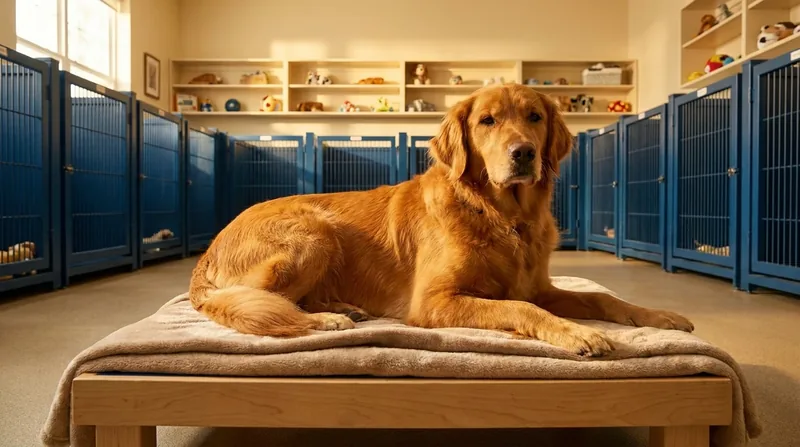
How to Start a Dog Daycare or Boarding Business in Massachusetts
How to Start a Dog Daycare or Boarding Business in Massachusetts
Starting a dog daycare or boarding business in Massachusetts can be a rewarding venture if you love animals and understand the regulatory landscape. Unlike some service businesses, operating a kennel or dog boarding facility requires specific licenses, facility standards, and operational procedures. This guide walks you through the exact steps, costs, and compliance requirements to launch your business legally and safely.
Step 1: Choose Your Business Structure and Register with Massachusetts
Before you apply for any licenses, you need to form a legal business entity in Massachusetts. You have three main options: sole proprietorship, limited liability company (LLC), or corporation.
Sole Proprietorship: The simplest option. You operate under your name, though if you use a business name different from your legal name, you must file a business certificate (DBA) with your city or town clerk. Cost varies by municipality; Boston charges $65 for residents, plus $35 for non-residents. The certificate remains valid for four years and must be renewed.
LLC (Limited Liability Company): Offers liability protection separating your personal assets from business debts. Filing an LLC in Massachusetts costs $520 through the Secretary of the Commonwealth's Corporations Online Filing System. You must include "LLC," "L.L.C.," or "Limited Liability Company" in your business name. You will also need a Massachusetts resident agent, either you (if you are a Massachusetts resident) or a registered agent service. Annual report renewal costs $500 and is due on or before the anniversary of your organization each year.
Corporation: More formal but slightly cheaper to file. Articles of Organization cost $265. Annual reports are $100 plus a $10 expedite fee if filed electronically, due within two and a half months after your fiscal year ends.
For most small dog daycare operations, an LLC offers the best balance of liability protection and manageable costs. File at the Massachusetts Secretary of the Commonwealth, Corporations Division. The processing time is not published, but electronic filings with expedite fees ($20 for LLC formation documents) are processed ahead of mail filings, with offices open 8:45 a.m. to 4:00 p.m., Monday through Friday.
Step 2: Verify Kennel Licensing and Animal Care Facility Requirements
Massachusetts regulates animal boarding facilities, though the specific licensing requirements vary by how you operate. You must determine whether your operation requires a kennel license or animal care facility license from the state, and comply with both state and local regulations.
Contact these agencies to confirm current requirements:
- Massachusetts Department of Agricultural Resources: Oversees animal care standards and kennel facilities. Visit their website to confirm whether your daycare or boarding operation requires a state license.
- Your local city or town health department: Issues health and safety permits. Requirements vary by municipality, so contact them early in your planning.
- Your local city or town clerk: Handles local business permits and zoning approval. Some towns require separate kennel or animal care facility permits.
- Massachusetts Board of Registration of Veterinary Medicine: May set standards for animal care and handling.
This step is critical: Licensing requirements, fees, and application timelines are specific to Massachusetts and can change. Verify the current status directly with state and local agencies rather than relying on this article alone. Plan for 4 to 12 weeks of lead time for licensing approvals.
Step 3: Secure Local Zoning Approval and Permits
Before you lease or purchase a facility, confirm that your location is zoned for a dog daycare or boarding business. Many municipalities restrict animal care operations to specific zones or require conditional use permits.
Steps to take:
- Contact your local planning and zoning board. Ask whether a dog daycare or boarding facility is allowed in your proposed location. Get this in writing.
- Check local animal control ordinances. Some towns limit the number of dogs you can legally house or board, or require specific setback distances from residential properties.
- Obtain a conditional use permit if required. Some towns allow animal care facilities only with special approval. Applications typically take 4 to 8 weeks and may require a public hearing.
- Apply for building and safety permits. Your facility must meet fire codes, emergency exits, and sanitation standards. Inspectors will review facility plans before construction or renovation begins.
Budget $500 to $2,000 for local permits, depending on your municipality and facility scope.
Step 4: Design a Compliant Facility
Your facility must meet health, safety, and animal welfare standards. While specific code requirements vary by jurisdiction, these elements are expected in most dog daycare and boarding operations:
- Kennel runs or enclosures: Minimum 100 square feet per dog, depending on dog size and local codes. Surfaces must be easily sanitized (concrete, vinyl, or stainless steel).
- Separate housing areas: Isolation areas for sick or injured dogs, away from the general population.
- Outdoor exercise space: Fenced, secure run areas or play yards with shade and drainage.
- Climate control: Heating and air conditioning to maintain 60–75°F, with humidity below 60% to prevent respiratory disease.
- Ventilation: At least 15 air changes per hour to reduce airborne pathogens and odors.
- Lighting: Natural light supplemented by artificial light; at least 10 foot-candles of light in all areas.
- Emergency exits: Clearly marked, unobstructed exits with emergency lighting.
- Sanitation station: Handwashing sink, cleaning supplies, and waste disposal area separate from dog areas.
- Office and observation area: Space to keep records, observe dogs via camera, and conduct intake/health assessments.
- Storage for food, medications, and supplies: Secure, temperature-controlled storage away from animals.
Budget: Renovation or buildout for a small facility (10–20 dog capacity) typically costs $15,000 to $50,000 depending on existing conditions and location.
Step 5: Obtain Liability Insurance
Massachusetts does not mandate liability insurance for dog daycares, but it is essential protection and often required by landlords. Coverage protects you against claims if a dog is injured, escapes, or causes damage.
Types of insurance to get:
- General liability insurance: Covers bodily injury and property damage claims. Typical cost: $500–$1,500 per year for a small facility.
- Professional liability: Covers claims related to professional advice or negligence in care.
- Property insurance: Covers your facility, equipment, and supplies.
- Workers' compensation: Required if you have employees in Massachusetts.
Contact several insurance brokers who specialize in animal care businesses for quotes. Budget $2,000–$4,000 per year for a comprehensive package.
Step 6: Create Operational Procedures and Health Protocols
Before you accept your first dog, document your standard operating procedures. These protect both you and the animals in your care.
Required documentation:
- Health screening form: Proof of current vaccinations (rabies, DHPP), fecal exam results, and clearance from a veterinarian that the dog is fit for daycare or boarding.
- Behavioral assessment checklist: Evaluate each dog's temperament, socialization, and any behavioral red flags before group play.
- Owner agreement and release forms: Clear expectations about feeding, medications, exercise, and your liability limitations.
- Daily care log: Document feeding times, medication administration, bathroom breaks, exercise, and any unusual behavior or health issues.
- Emergency contact and veterinary information: Get owner's primary vet and an emergency vet contact at intake.
- Cleaning and sanitation schedule: Document daily cleaning of bowls, bedding, and surfaces; weekly deep cleaning of kennels and runs.
Implement a vaccination protocol: require rabies, DHPP (distemper/parvovirus), and bordetella (kennel cough) vaccination within the past 12 months. Most boarding facilities also require proof of a recent fecal exam to rule out parasites.
Step 7: Hire and Train Staff
Massachusetts does not mandate specific certifications for dog daycare staff, but investing in training improves safety and your reputation.
Recommended qualifications:
- CPR and First Aid certification (human, but valuable for responding to emergencies).
- Canine behavior and handling course from recognized organizations (e.g., International Association of Canine Professionals, International Association of Animal Behavior Consultants).
- Experience with dogs and animal handling; prior work in shelters, veterinary clinics, or training facilities.
- Background check and references from previous employers or animal care positions.
Train all staff on your health protocols, vaccination requirements, emergency procedures, and how to recognize signs of illness or injury. Document all training.
Step 8: Register for Taxes and Set Pricing
Register with the Massachusetts Department of Revenue for sales tax and income tax purposes. If you are operating as a sole proprietor or partnership, you will owe Massachusetts personal income tax at a flat rate of 5.00% on most income, plus an additional 4% surtax on annual taxable income above $1,000,000 (adjusted annually for cost of living). If you formed an LLC taxed as a corporation or a C corporation, you owe the corporate excise of 8.0% on net income plus $2.60 per $1,000 of tangible property or net worth, with a minimum excise of $456.
If you provide boarding and do not sell tangible products, you typically do not charge sales tax on your services. However, if you sell food, treats, or other products to customers, you must register for sales and use tax. The Massachusetts sales tax rate is 6.25%.
Pricing strategy: Dog daycare typically runs $25–$50 per day depending on location and services. Boarding (overnight/multi-day) ranges from $35–$75 per day. Research local competitors to set competitive rates.
Step 9: Set Up Health Inspections and Ongoing Compliance
Plan for regular health inspections by your local health department and any state animal care inspectors. Inspections typically occur annually but may be unannounced.
Common inspection points:
- Facility cleanliness and odor control.
- Water quality and temperature.
- Food storage and handling.
- Vaccination records and health documentation.
- Emergency procedures and fire safety.
- Staff training and qualifications.
- Observation of animal care practices during the inspection.
Keep all records organized and accessible. Inspectors will request vaccination records, cleaning logs, staff training documentation, and incident reports.
Materials and Supplies You Will Need
Starting a dog daycare requires both startup capital for facility buildout and ongoing operational costs:
| Item | Estimated Cost |
|---|---|
| Business registration (LLC) and annual reports | $520 initial, $500/year renewal |
| Kennel runs, play yard fencing, and exercise equipment | $5,000–$20,000 |
| Facility renovation or buildout (HVAC, flooring, sanitation) | $15,000–$50,000 |
| Kennel and boarding permits (local and state) | $500–$2,000 |
| Liability and property insurance | $2,000–$4,000/year |
| Bedding, food bowls, cleaning supplies | $1,000–$3,000 |
| Veterinary health checks and vaccines (initial for staff dogs) | $200–$500 |
| Signage, website, marketing | $500–$2,000 |
| Camera system and monitoring equipment | $1,000–$3,000 |
| Total startup (small facility) | $25,000–$85,000 |
Timeline and Expected Results
The timeline from idea to opening typically spans 4 to 6 months, depending on licensing and facility readiness:
- Weeks 1–2: Form business entity (LLC or corporation). File articles with the Secretary of the Commonwealth; receive confirmation in 1–2 weeks.
- Weeks 2–4: Confirm zoning approval, licensing requirements, and local permits. Contact health department, planning board, and agricultural resources.
- Weeks 4–12: Secure facility location and obtain building/safety permits. Renovate or buildout to meet facility standards. Inspections and approval take 4–8 weeks.
- Weeks 8–14: Apply for kennel license or animal care facility license (if required). Allow 4–12 weeks for state review and approval.
- Weeks 12–16: Hire and train staff. Obtain liability insurance. Create operational procedures and forms.
- Week 16+: Soft launch with a small number of dogs to test procedures. Conduct a final health inspection. Open to the public.
Tips to Avoid Common Mistakes
- Do not skip the licensing step. Operating without required licenses can result in fines, closure, and legal liability. Verify requirements with state and local agencies before you invest in a facility.
- Do not house or board more dogs than your capacity permits. Overcrowding increases disease transmission, stress, and injury risk. Stick to your licensed capacity.
- Do not accept dogs without proof of current vaccinations. Kennel cough and other contagious diseases spread rapidly in close quarters. Health screening is non-negotiable.
- Do not operate without liability insurance. A single injury claim can cost tens of thousands of dollars and shut down your business.
- Do not ignore facility maintenance. Poor sanitation leads to health code violations, customer complaints, and disease outbreaks. Schedule regular deep cleaning and equipment maintenance.
- Do not hire staff without background checks. Working with animals and handling owner property demands trustworthiness. Always vet new hires thoroughly.
Disclaimer
This article is informational and does not constitute legal, tax, or professional advice. Massachusetts kennel licensing, zoning requirements, and facility standards can vary by municipality and may change. Before you commit capital or apply for licenses, consult directly with the Massachusetts Department of Agricultural Resources, your local health department, a Massachusetts attorney specializing in business formation, and a qualified insurance broker. They can confirm current requirements, fees, timelines, and compliance standards for your specific location and operation.
Next Steps
Contact the Massachusetts Secretary of the Commonwealth's Corporations Division at sec.state.ma.us to form your business entity. Then reach out to your local city or town clerk, health department, and planning board to confirm zoning, licensing, and permit requirements. Start your facility planning only after you have confirmed all state and local requirements in writing.
Keep exploring: related Massachusetts guides
- How to Start a Commercial Fishing Business in Massachusetts
- How to Start a Farm Business in Massachusetts
- How to Start an Oyster Farm in Massachusetts
- How to Start an LLC in Massachusetts
- Massachusetts Business License
- How Much Does It Cost to Start a Business in Massachusetts
- All Massachusetts business types
- Every Massachusetts guide in one place